
Boeing 787: A Deep Dive into the Dreamliner’s Design and Innovations
Understanding modern aircraft technology has gotten complicated with all the marketing claims and technical jargon flying around. As someone who’s spent countless hours researching the 787 program and flown on Dreamliners across multiple airlines, I learned everything there is to know about what makes this aircraft genuinely different. Today, I will share it all with you.
Design and Construction
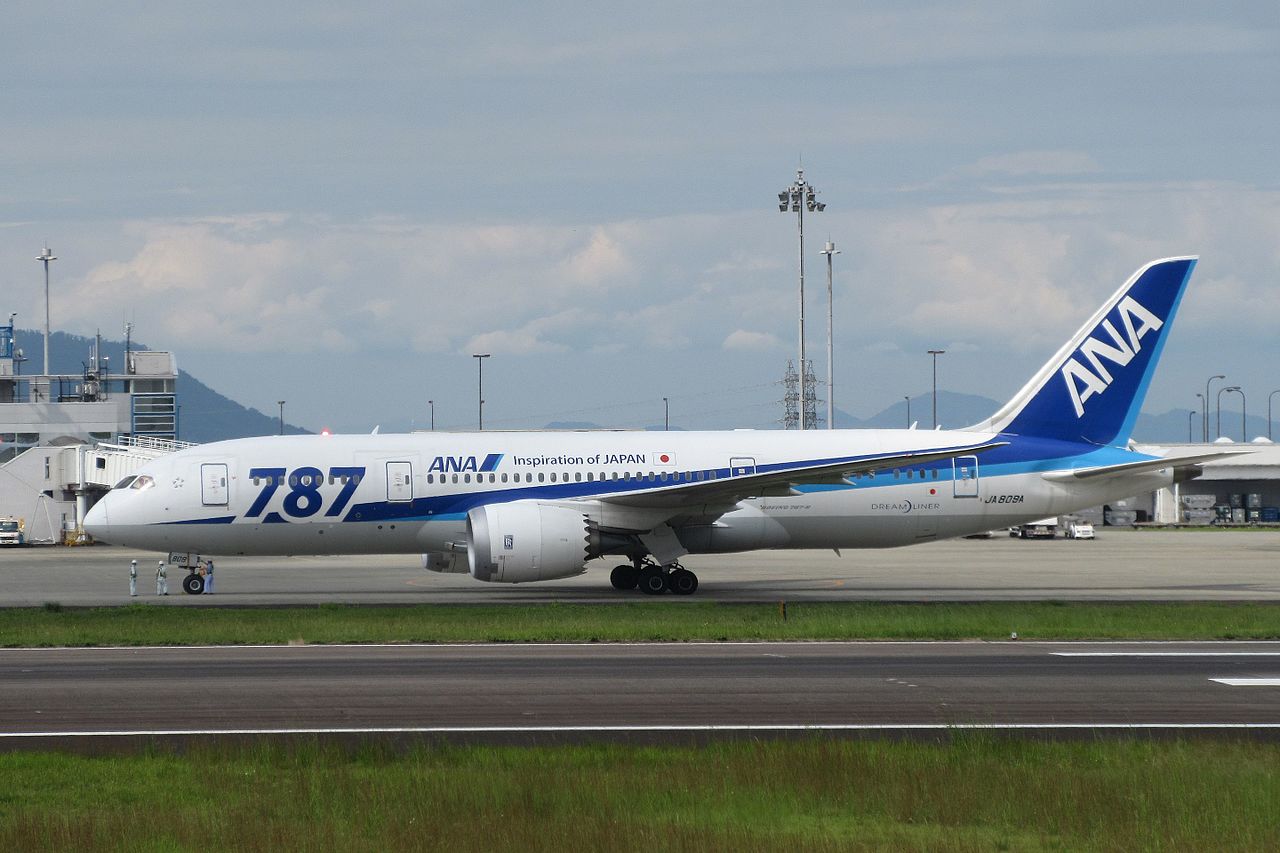
The 787’s composite structure represents a fundamental departure from how airplanes have been built for decades. Instead of aluminum, Boeing went with carbon fiber-reinforced polymer for roughly 50% of the airframe. The material is lighter and stronger, which translates directly into efficiency gains and reduced maintenance costs.
Probably should have led with this, honestly: the composites don’t corrode like aluminum. That single factor changes the maintenance equation entirely. The body structure also enables larger windows and higher cabin humidity — details passengers actually feel on long flights.
Fuel Efficiency
The Dreamliner burns about 20% less fuel than comparable aircraft. That’s not just marketing — it’s the result of advanced aerodynamics, raked wingtips, and smoother surfaces reducing drag. The Rolls-Royce and General Electric turbofan engines contribute additional savings.
Weight reduction touches every system. The airframe design itself shaves pounds. Lithium-ion batteries power systems more efficiently than traditional approaches. The electrical architecture minimizes heavy hydraulic components. These choices add up.
Passenger Comfort
I’ve flown enough long-haul flights to appreciate what the 787 does differently. The larger windows with electronic dimming let you control light without flimsy plastic shades. Higher humidity levels mean less dryness and fatigue. The cabin altitude simulates around 6,000 feet even when cruising at 35,000 — you notice the difference on arrival.
That’s what makes the Dreamliner endearing to us frequent travelers — the engineering actually prioritizes how passengers feel, not just how the numbers look on paper.
Advanced Technologies
The fly-by-wire control system replaces mechanical controls with electronic ones, offering smoother flight characteristics and improved handling. Onboard sensors and computers continuously monitor and adjust systems for optimal performance.
The cockpit gets large LCD displays presenting flight information in an organized, accessible format. Pilots benefit from enhanced situational awareness. The FalconEye combined vision system merged synthetic and enhanced vision capabilities before competitors caught up.
Environmental Impact
Fuel efficiency translates directly to lower carbon emissions. The quieter engines reduce noise pollution during takeoff and landing — communities near airports notice the difference. Boeing’s emphasis on recyclable materials in construction adds to the environmental credentials.
Market Performance
Airlines worldwide have ordered over 1,500 units since introduction. The 787 works for both long-haul routes and high-density short-haul services. Operational cost benefits and passenger appeal drive adoption.
Variants and Configurations
Three main variants exist:
- 787-8: Seats about 242 passengers, range of 7,355 nautical miles
- 787-9: Seats around 290 passengers, range up to 7,530 nautical miles
- 787-10: Seats approximately 330 passengers, range of 6,430 nautical miles
Airlines configure interiors to match their needs — different seating classes, entertainment systems, galleys. The flexible cabin design accommodates specific route demands.
Global Operations
Major airlines on every continent operate Dreamliners. The aircraft’s range enables direct routes that weren’t previously feasible, connecting city pairs without stopovers. That versatility explains its widespread adoption.
Safety Features
Advanced avionics and fly-by-wire systems enhance reliability. The composite structure improves crashworthiness beyond what aluminum offers. Real-time monitoring identifies potential issues before they become problems, enabling preventive maintenance.
Maintenance and Operational Efficiency
Composite materials resist corrosion, reducing heavy check frequency. Diagnostic systems alert ground crews to maintenance needs, improving turnaround times. Airlines keep 787s flying with minimal downtime, contributing to economic efficiency.
Economic Impact
The Dreamliner program supports jobs globally, from assembly plants to airline crews. Lower operational costs can translate to competitive pricing for passengers, promoting air travel growth.
Continued Development
Boeing continues refining the 787. Ongoing improvements target further efficiency gains and enhanced passenger experience. Future versions may incorporate new materials and technologies, keeping the Dreamliner competitive.
The Future of the Boeing 787
The 787 remains Boeing’s flagship, representing modern aviation’s possibilities. Its combination of advanced technology, fuel efficiency, and passenger comfort establishes a standard others measure against. The impact on the airline industry and the trajectory of air travel development is significant.
Related Articles
Continue exploring:
Stay in the loop
Get the latest aircraft insider updates delivered to your inbox.