What Pilots Should Know About Turbulence (And Why Passengers Shouldn’t Panic)
Worst turbulence I ever experienced was somewhere over the Rockies in August 2021. The plane dropped – actually dropped – in a way that lifted me out of my seat. Coffee went everywhere. A guy across the aisle screamed. And then… nothing. Smooth air like nothing happened.
The flight attendants barely blinked. That’s when I realized something important about turbulence – the people who deal with it professionally are genuinely not worried. Maybe I shouldn’t be either.
What Turbulence Actually Is
Turbulence is just disturbed air. That’s it. Weather fronts mixing different air masses. Jet streams creating shear zones. Mountains forcing air to tumble. Even strong summer sun heating the ground unevenly creates updrafts that jostle aircraft.
Clear air turbulence – the kind that hits without warning – happens when air masses moving at different speeds collide at altitude. Pilots can’t see it. Weather radar doesn’t detect it. You just fly into it and bounce around until you fly out the other side.
How Bad Can It Get?
Light turbulence means slight, brief movements. Your coffee might ripple. You might notice the seatbelt sign illuminated. Otherwise uneventful.
Moderate turbulence means actual bumps. Walking becomes difficult. Unsecured items might slide off tray tables. Flight attendants sit down but don’t look concerned.
Severe turbulence is rare. Genuinely rare. Violent shaking that forces occupants hard against seatbelts. Unsecured objects become projectiles. Most pilots go entire careers experiencing severe turbulence only a handful of times.
Why The Plane Will Be Fine
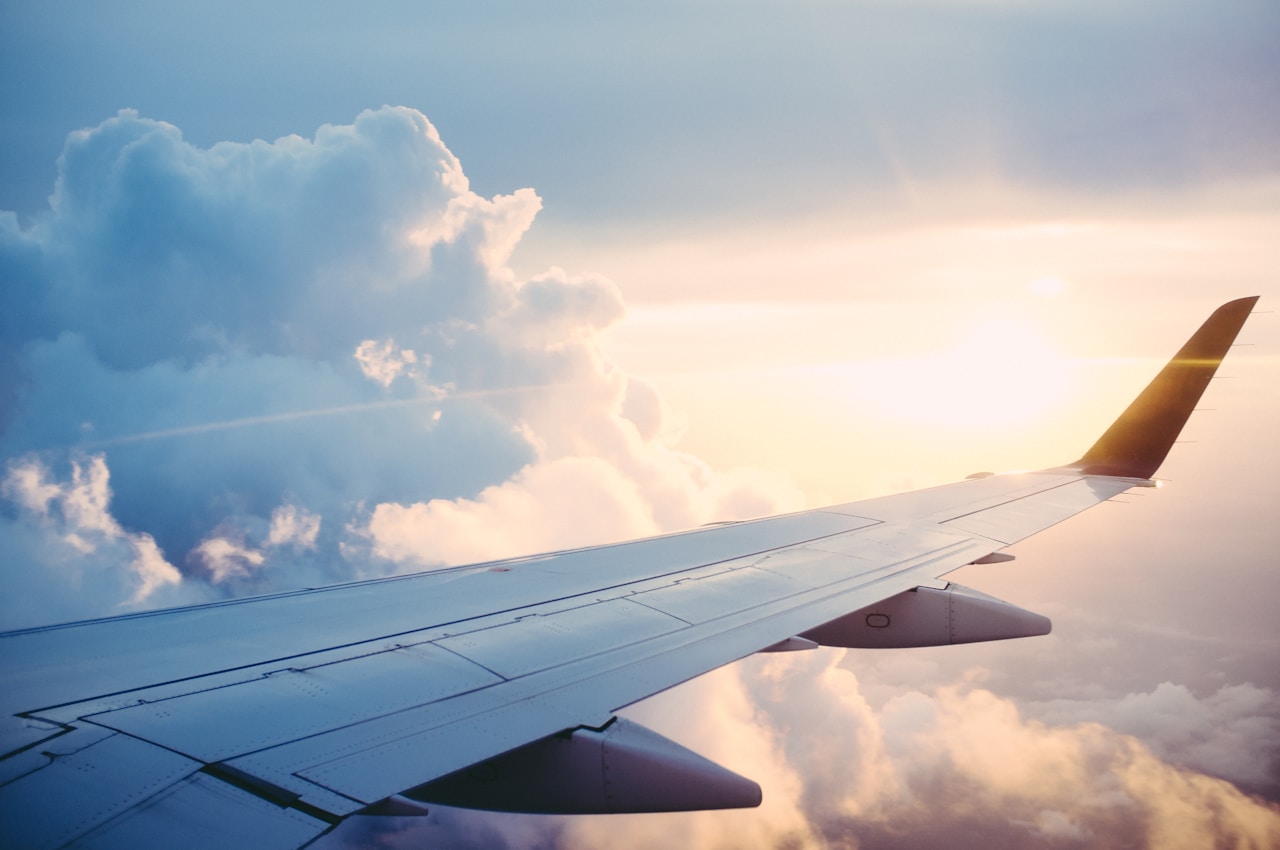
Here’s the thing that changed my perspective: modern aircraft are engineered to handle forces vastly exceeding anything turbulence produces. Wings flex by design – they’re tested to bend far beyond what severe turbulence generates before failure.
I’ve watched videos of certification testing. Engineers literally bend wings until they snap, and the failure point is so extreme it looks physically impossible. The safety margins are absurd. That’s intentional.
I’m apparently the kind of person who finds engineering specifications reassuring. Looking up the actual stress limits works for me while vague “don’t worry” platitudes never did. The aircraft isn’t going to break apart from turbulence. Full stop.
What Actually Causes Injuries
Almost every turbulence injury happens the same way: someone wasn’t wearing their seatbelt when unexpected bumps hit. They get thrown upward into overhead bins or forward into seat backs. That’s preventable.
Keep your seatbelt fastened loosely whenever seated. Not just when the sign is on – the sign illuminates after pilots encounter turbulence. By definition, it’s warning about what already happened. The next surprise bump won’t wait for the sign.
How Pilots Handle It
When turbulence is forecast, pilots request altitude changes to find smoother air. They communicate with other aircraft ahead about conditions. They slow down – slower speeds reduce stress on the airframe and give more reaction time.
None of this is panic. It’s just procedure. Pilots train extensively on managing rough air. They’ve experienced it in simulators hundreds of times before encountering it for real. This is genuinely not concerning to them the way it concerns nervous passengers.
Watch the flight attendants next time it gets bumpy. If they’re calmly doing their jobs or sitting down casually, you’re fine. That’s your real-time anxiety indicator. Professionals who fly daily every day aren’t worried.
Stay in the loop
Get the latest aircraft insider updates delivered to your inbox.