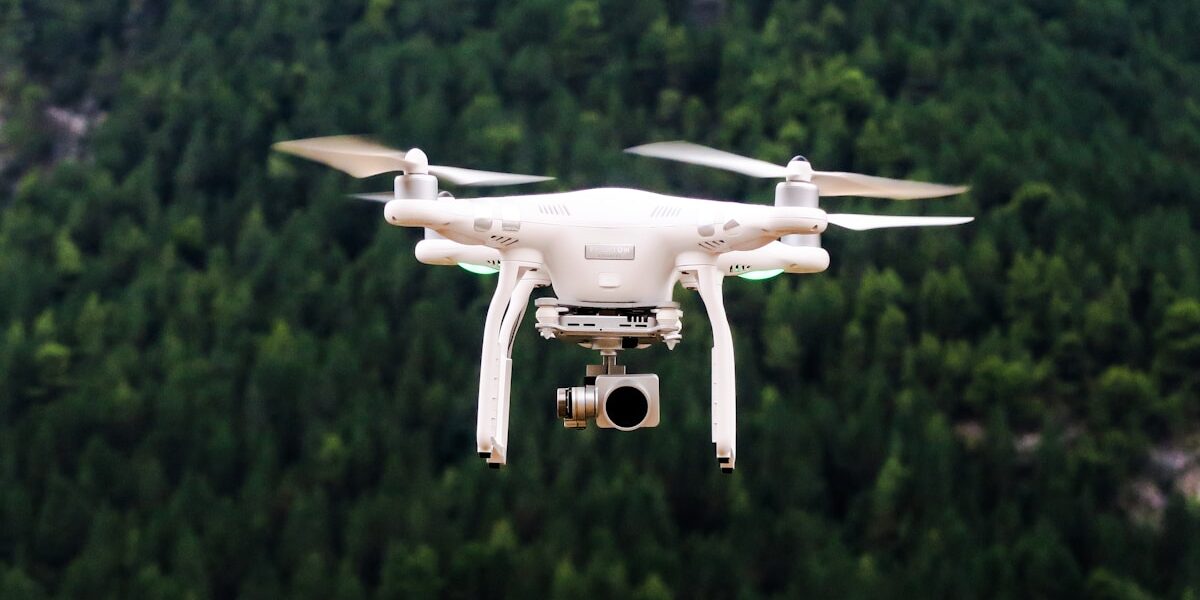
Are Drones Legal in Residential Areas?
I was standing in my backyard last summer when a drone buzzed overhead, hovered for what felt like an uncomfortable amount of time, then zipped off. My first instinct was annoyance. My second was a question: is that even legal? Probably should have led with this, honestly – the answer isn’t as straightforward as a simple yes or no. Drone legality in residential areas involves a tangled web of federal rules, local regulations, and privacy considerations that most operators barely understand.
Federal Regulations
The Federal Aviation Administration governs drone use nationally, and their rules provide the baseline. Here’s what federal law requires:
- Stay below 400 feet altitude
- Keep the drone within your line of sight at all times
- Don’t fly near other aircraft or around airports
- Avoid flying over crowds, public events, or packed stadiums
- Never operate under the influence
Notice what’s missing? The FAA doesn’t specifically address residential areas. That’s where things get complicated, because local rules can add significant restrictions on top of federal requirements.
Local Regulations
Cities and towns have gotten creative with drone restrictions. Some places ban flights over private property without explicit permission. Others set time limits to prevent early morning or late evening disturbances. New York City essentially prohibits drone flights in parks and over numerous properties unless you’ve jumped through serious permitting hoops. Los Angeles restricts flying near schools, hospitals, and large gatherings.
That’s what makes this topic endearing to us policy nerds – the patchwork of regulations means the legality of the same exact flight could differ block by block depending on local ordinances. Before flying anywhere, checking with your local government isn’t optional. It’s essential.
Privacy Concerns
Here’s where my backyard encounter becomes legally interesting. Drones with cameras raise genuine privacy issues that various states have addressed through specific legislation:
- California Penal Code 632 prohibits recording confidential communications without consent
- Illinois’ Drone Privacy Act limits drone usage over private property
- Florida’s Freedom from Unwarranted Surveillance Act restricts drone surveillance
Even where local regulations technically permit drone flights, operating in ways that could invade someone’s privacy crosses legal and ethical lines. That guy hovering over my backyard might have been within his rights under FAA rules, but depending on state law, he might have been violating privacy statutes.
Practical Tips for Drone Operators
If you’re the one flying rather than the one being flown over, here’s what responsible operation looks like:
- Know the Rules: Research federal, state, and local regulations before your drone leaves the ground. Ignorance isn’t a defense.
- Respect Privacy: Just because you technically can hover over someone’s backyard doesn’t mean you should. Golden rule applies.
- Stay Current: Regulations evolve. What was legal last year might not be today.
- Get Permission: Planning to fly over someone’s property? Ask first. It prevents problems and builds goodwill.
- Prioritize Safety: Pre-flight checks, awareness of surroundings, conservative flying – all of it matters.
Drone Registration
The FAA requires registration for drones weighing between 0.55 and 55 pounds. This applies whether you’re flying for fun or profit. Registration involves providing contact information and drone details, after which you receive a unique ID that must be displayed on the aircraft. The purpose is accountability – if something goes wrong, authorities can trace the drone back to its operator.
No-Fly Zones
Residential areas often sit near restricted airspace. Airports, military installations, emergency response scenes – all of these create no-fly zones that might overlap with neighborhoods. The FAA’s B4UFLY app provides real-time information about airspace restrictions and temporary flight restrictions. Checking before every flight isn’t paranoia; it’s basic due diligence.
Noise and Nuisance Problems
Drones are not quiet. In dense residential areas, the buzzing can genuinely annoy neighbors and generate complaints. Consider timing – flying during midday when ambient noise is higher causes less disturbance than early morning or evening flights. Quieter drone models exist for those willing to invest. Being thoughtful about noise isn’t just courteous; it helps maintain positive relations between drone enthusiasts and everyone else who’d prefer not to hear constant buzzing overhead.
Enforcement and Penalties
Violating drone regulations can result in real consequences. FAA civil penalties for careless or reckless operation can be substantial. Local law enforcement can intervene if flights violate privacy or safety laws. The penalties vary by jurisdiction and severity, but the possibility of fines, equipment seizure, or worse should motivate careful compliance.
Insurance and Liability
Accidents happen. Drones crash, causing property damage or occasionally injuries. Having insurance protects operators from financial liability when things go wrong. Various providers offer drone-specific policies covering the aircraft itself, third-party liability, and incidents during operation. Given how quickly an accident could exceed the cost of a policy, coverage makes practical sense.
Community and Awareness
The relationship between drone operators and residential communities doesn’t have to be adversarial. Education helps – informational sessions about responsible operation, transparency about what drones are being used for, open communication about concerns. When neighbors understand that the drone overhead is photographing a house for sale rather than spying, tensions decrease. Building that understanding takes effort from the drone community, but it’s worth doing.
Related Articles
Continue exploring:
- Simple Flying: Aviation News and Analysis Website
- Electric Air Travel Reaches New Heights in Sustainability
- Discover Qatar Airways: Elevating Travel from South Africa


Stay in the loop
Get the latest wildlife research and conservation news delivered to your inbox.