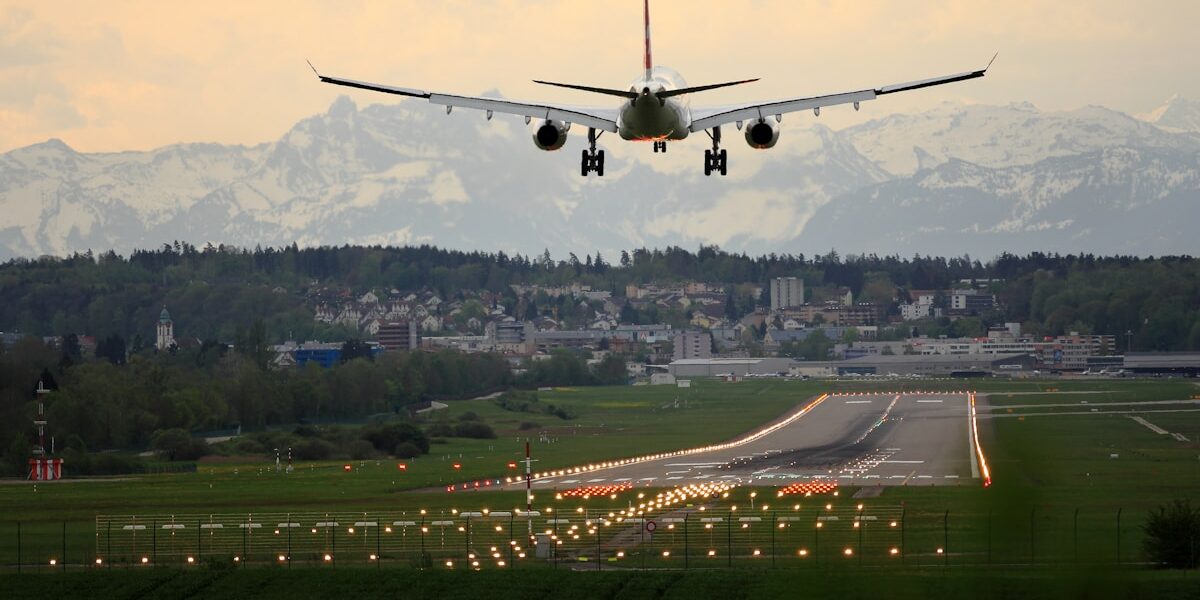
A New Year of Aviation Awaits
As we enter 2026, the aviation industry stands at an inflection point. Record passenger demand, new aircraft types, and continued recovery from years of disruption create both opportunities and challenges. Here’s what travelers and industry watchers should expect in the year ahead.
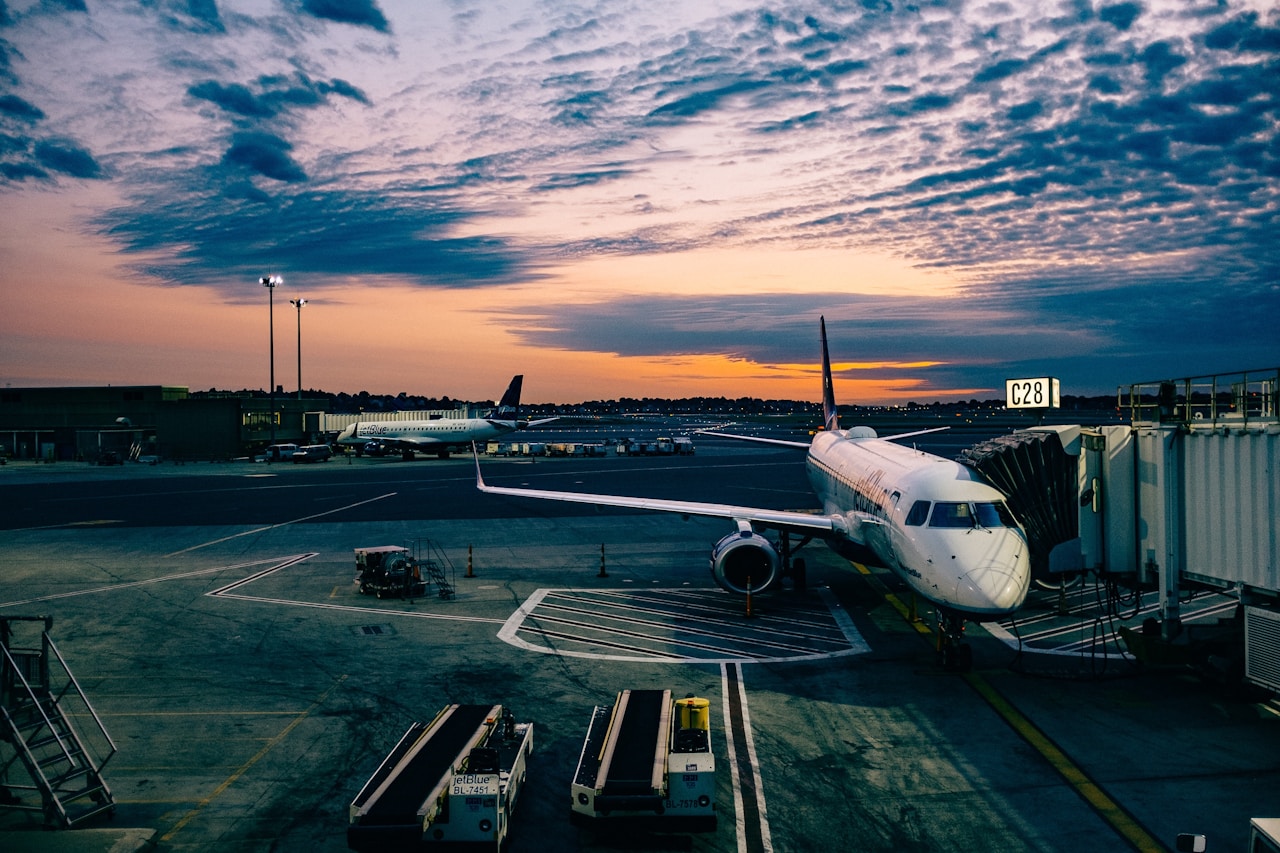
Economic Factors Shaping the Industry
The global economy remains the single biggest variable for airlines in 2026. Interest rate decisions by the Federal Reserve and European Central Bank will affect everything from aircraft financing costs to consumer discretionary spending on travel. Most economists project modest GDP growth in major markets, but recession risks linger in some regions.
Currency volatility adds another layer of complexity. Airlines with international operations must hedge against exchange rate fluctuations, particularly between the dollar, euro, and Asian currencies. For carriers with significant debt denominated in foreign currencies, these swings can mean the difference between profit and loss.
Inflation, while moderating from 2022-2023 peaks, continues to pressure operating costs. Labor, airport fees, maintenance parts, and catering all cost more than they did three years ago. Airlines will continue passing these costs to passengers through base fares and ancillary fees.
Fuel Price Outlook
Jet fuel typically represents 20-30% of airline operating costs, making oil price forecasts critical to industry planning. Geopolitical tensions in oil-producing regions, OPEC+ production decisions, and global demand patterns will drive pricing.
Current projections suggest Brent crude averaging $75-85 per barrel through 2026, providing some cost stability. However, the industry has learned that price spikes can come suddenly. Airlines with robust hedging programs will be better positioned than those exposed to spot market volatility.
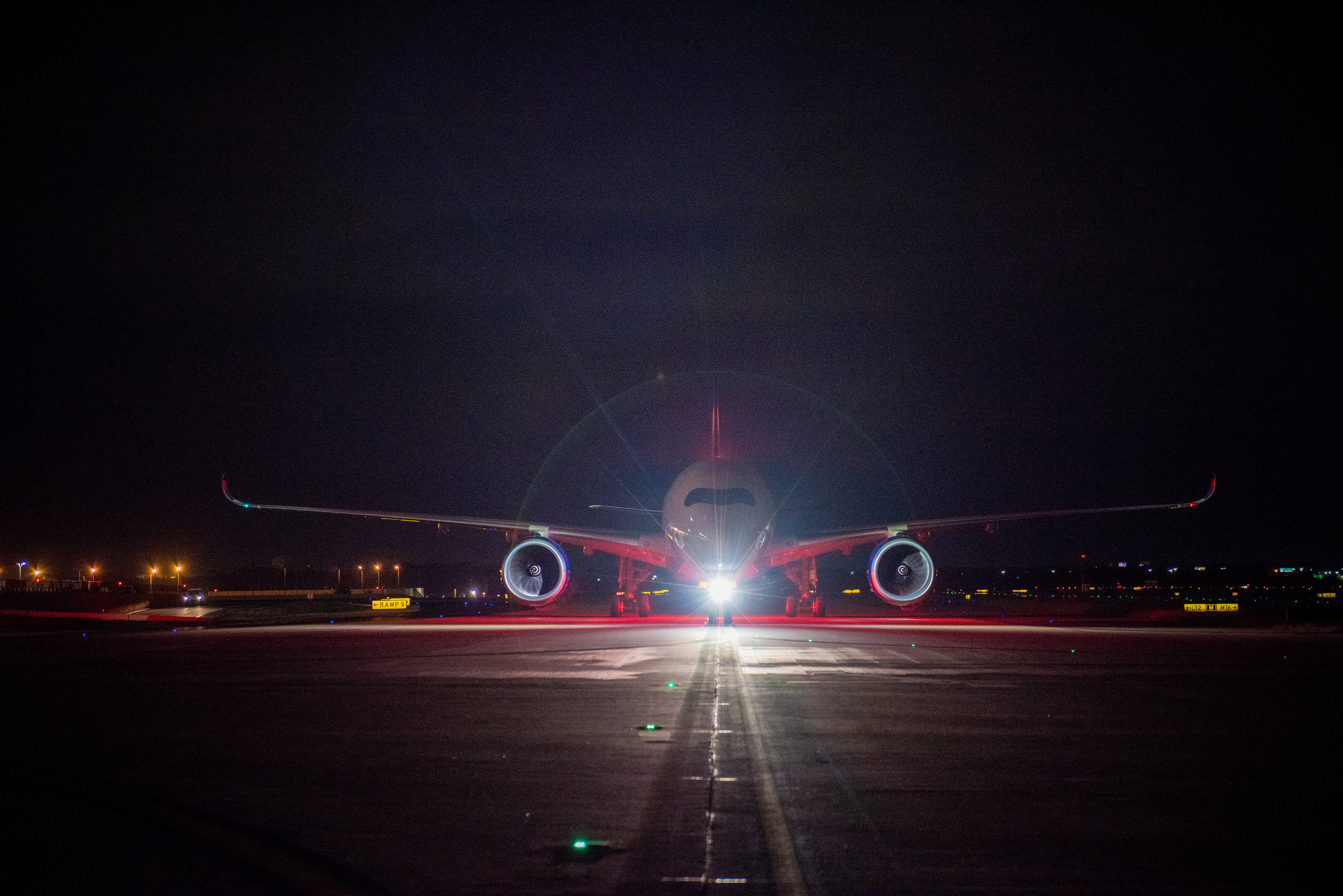
Fleet Renewal and Aircraft Deliveries
2026 should see the long-awaited entry into service of the Boeing 777X. Emirates, the launch customer, has been waiting years for the stretched, fuel-efficient widebody. When it finally arrives, expect extensive media coverage and route announcements.
The Airbus A321XLR will continue its rollout, with more airlines adding the type and new transatlantic routes launching. American Airlines’ Edinburgh service in March will be closely watched as a test case for narrow-body long-haul economics.
Boeing’s production challenges continue to cast shadows. The 737 MAX production rate recovery, 787 delivery pace, and 777X certification timeline all face scrutiny. Airbus, meanwhile, pushes toward higher A320neo family production rates while managing supply chain constraints.
Airlines with firm delivery positions hold significant strategic advantages. Those waiting years for new aircraft must extend leases on older, less efficient planes or compete in a tight used aircraft market.
Route Network Evolution
Network planning in 2026 reflects shifting demand patterns. Premium leisure travel to off-the-beaten-path destinations continues growing, enabled by new narrowbody long-range aircraft. Secondary city pairs that once required hub connections now support point-to-point service.
Asian routes are rebounding as Chinese carriers restore capacity and Chinese outbound tourism recovers. Carriers that maintained their slot positions at constrained airports are best positioned to capture this growth.
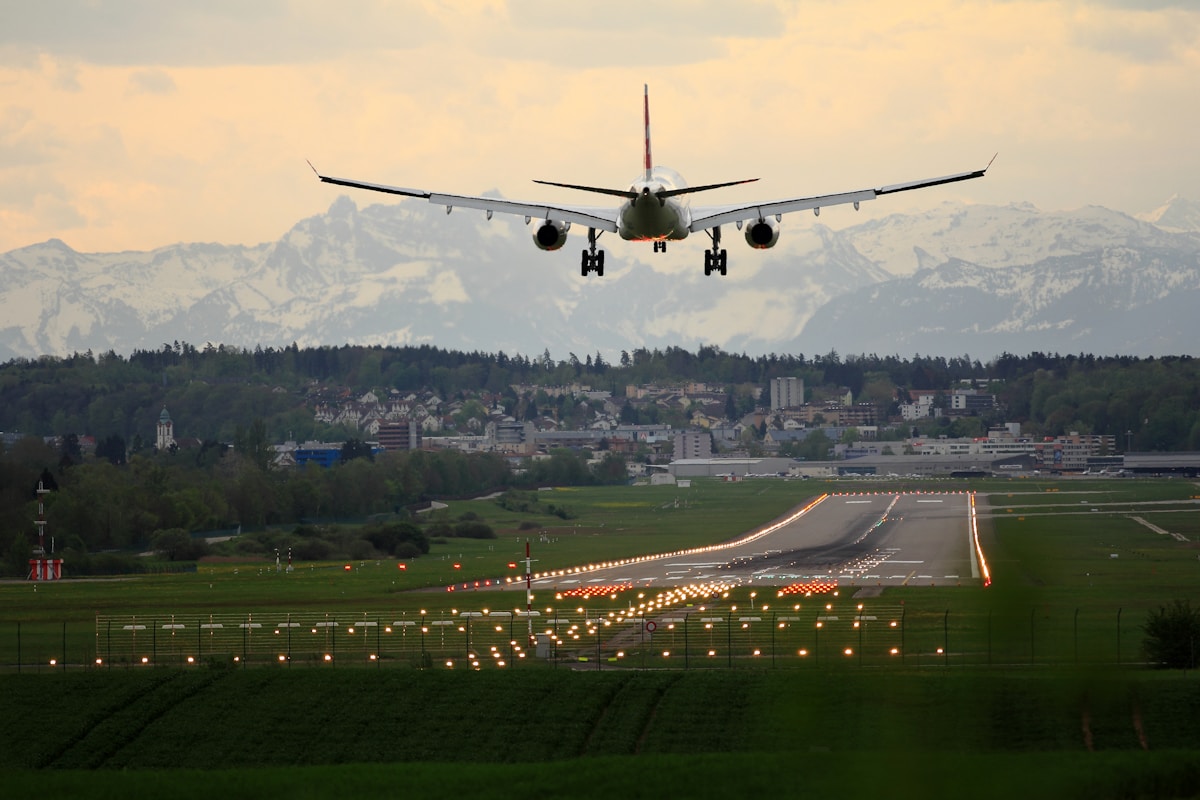
Passenger Demand Projections
Travel demand shows no signs of slowing. After record-breaking 2025 numbers, airlines are planning for further growth in 2026. Capacity additions, new routes, and fleet expansion will continue across all major carriers.
IATA projects global passenger numbers exceeding 2019 levels by significant margins, with particularly strong growth in Asia-Pacific and Middle Eastern markets. Business travel recovery continues its gradual climb, though corporate travel policies remain more restrictive than pre-pandemic norms.
The challenge is keeping up. Airport infrastructure, air traffic control, and pilot availability all constrain how much the industry can grow. Expect crowded airports and occasional delays as demand outpaces infrastructure.
Labor and Staffing Challenges
The pilot shortage remains aviation’s most discussed workforce issue, but challenges extend across all operational areas. Mechanics, dispatchers, ground handlers, and cabin crew are all in demand. Training pipelines struggle to meet hiring needs.
Contract negotiations with pilot unions at several major carriers will shape labor costs for years. Recent deals at Delta, United, and American set new compensation benchmarks that competitors must match. Regional carriers face particular pressure as pilots depart for mainline opportunities.
Airlines are investing in training academies, retention bonuses, and quality-of-life improvements. Some are exploring creative scheduling solutions and base locations to attract talent in a competitive market.

Sustainability and SAF Adoption
Regulatory pressure on aviation emissions will increase in 2026. European mandates for sustainable aviation fuel, carbon pricing mechanisms, and investor expectations all push airlines toward decarbonization.
SAF production is scaling, but not fast enough. Airlines will pay premiums for limited supply while advocating for production incentives and infrastructure investment. Current SAF prices remain 2-4 times conventional jet fuel, limiting widespread adoption despite corporate sustainability commitments.
Several airlines have announced SAF purchase agreements and investment in production facilities. The challenge is bridging the gap between current capacity and the volumes needed to meet 2030 and 2050 emissions targets.
Consolidation Trends
The airline industry’s consolidation wave continues, though regulatory scrutiny has increased. The JetBlue-Spirit merger’s challenges demonstrate that antitrust authorities are examining deals more closely than in previous decades.
In Europe, expect continued rationalization among smaller carriers. In Asia, government-backed consolidation may reshape competitive dynamics. Cross-border airline partnerships and joint ventures provide some benefits of consolidation without triggering merger reviews.
Regional Carrier Outlook
Regional airlines face a particularly challenging environment. Pilot contract improvements at mainline carriers have triggered scope clause negotiations that affect regional flying. Some regional routes may shift to mainline operation on smaller aircraft.
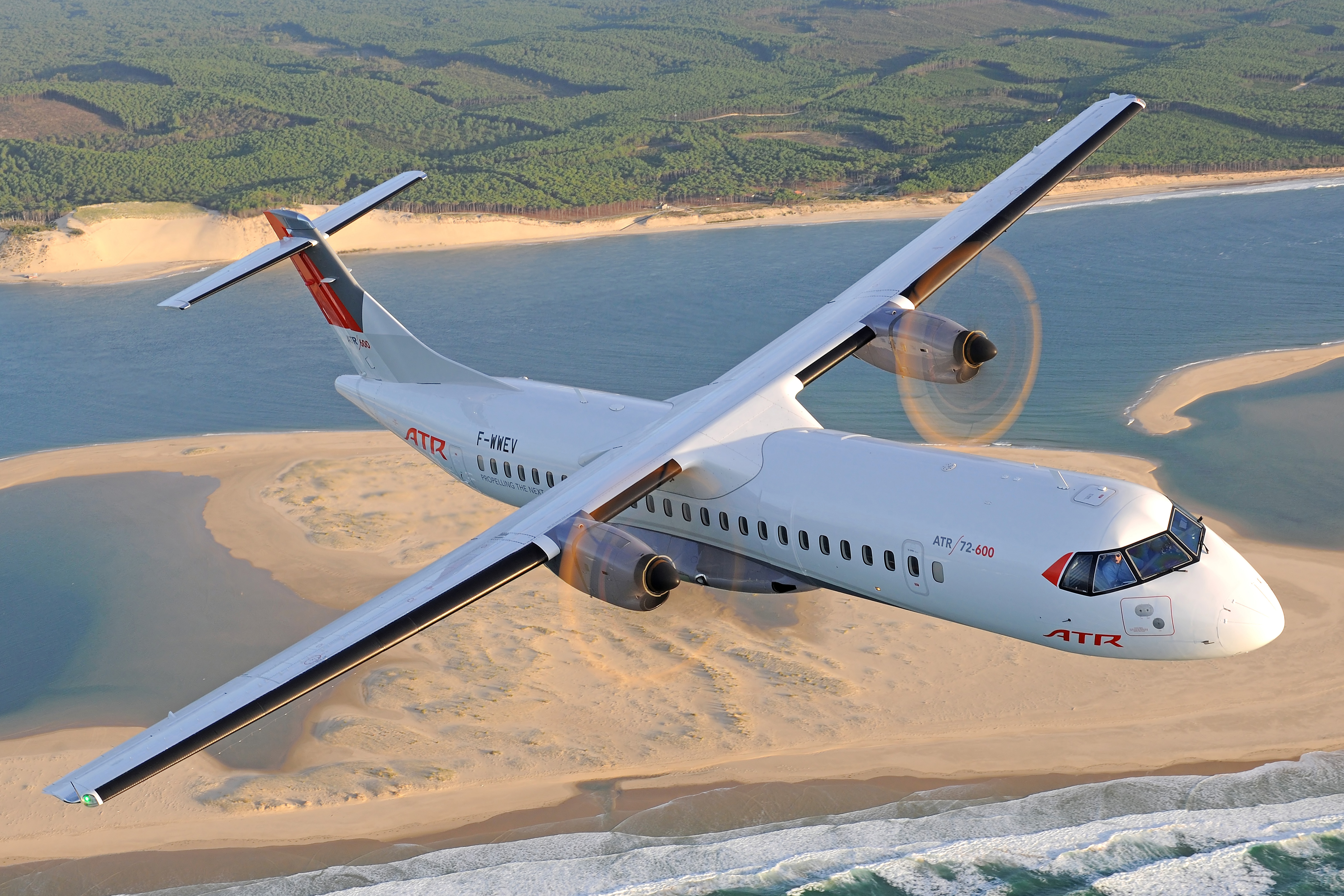
The Embraer E175-E2 certification delay compounds equipment decisions. Regional carriers must choose between ordering uncertified new types, extending older aircraft, or adjusting their fleet strategies entirely.
Technology and Customer Experience
Artificial intelligence will play larger roles in airline operations. Expect more AI-driven pricing, scheduling, and customer service. Predictive maintenance will reduce disruptions. Digital transformation will continue accelerating.
For passengers, technology means more personalization, faster processes, and better information. Biometric boarding expands to more airports. Mobile apps become the primary customer touchpoint. For airlines, it means operational efficiency and cost reduction.
WiFi connectivity improvements, better in-flight entertainment, and premium economy expansion address passenger expectations for comfort and productivity aloft.
The Bottom Line
2026 promises continued growth, new aircraft, and evolving challenges. Economic uncertainty, labor pressures, sustainability mandates, and infrastructure constraints will test airline management teams. For aviation enthusiasts, it’s another year of interesting developments to follow. For travelers, it’s more options and – hopefully – better experiences.
Happy New Year to the aviation community. The skies await.


Leave a Reply