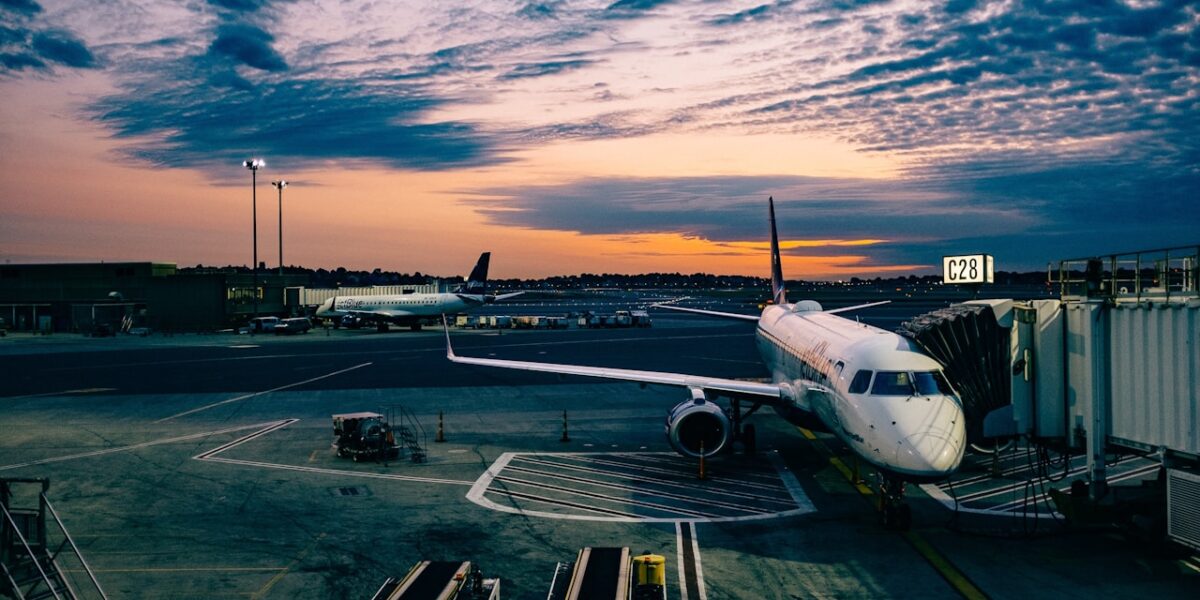
British Airways vs Virgin Atlantic
As someone who has flown transatlantic routes dozens of times for work and for fun, I learned everything there is to know about British Airways and Virgin Atlantic. Today, I will share it all with you.
These two airlines represent two genuinely different philosophies about what flying should feel like. That matters when you’re deciding where to put your money on a transatlantic ticket.
History
British Airways formed in 1974 from the merger of several UK carriers, giving it deep roots and a route network covering over 180 destinations worldwide. Virgin Atlantic arrived a decade later in 1984, founded by Richard Branson with a single aircraft flying between Gatwick and Newark. That origin story tells you something useful: BA is the establishment, Virgin is the challenger. Both philosophies have their merits, and your preference will probably tell you something about your personality.
Fleet
British Airways runs one of the world’s largest fleets — Airbus A380s, Boeing 777s, Boeing 787s, and narrowbodies for shorter routes. Virgin Atlantic keeps a smaller but consistently modern operation with Boeing 787s and Airbus A350s. Probably should have led with this, honestly, because the aircraft type matters more for your actual comfort than most other variables. Newer frames mean better cabin pressure, lower noise, and bigger windows.
Cabin Classes
Economy
British Airways splits economy into three tiers: Basic, Standard, and Premium Economy. Basic is bare-bones — no seat selection, no checked bag, no frills. Virgin Atlantic mirrors this with Economy Light, Classic, and Delight. Their Delight tier gives you Premium Economy-style legroom and priority boarding. I’m apparently someone who will spend an extra $80 to not have my knees in someone’s seat back for eight hours, and both airlines accommodate that instinct with their mid-tier economy options.
Business
BA calls theirs Club World. Lie-flat seats, premium dining, lounge access. Virgin Atlantic’s Upper Class covers the same basics with different styling — and an onboard social bar that sounds gimmicky until you’re six hours into a flight and genuinely need somewhere to stand and stretch. That’s what makes Virgin’s approach endearing to frequent transatlantic fliers: they actually try things other airlines won’t touch.
First Class
British Airways offers a genuine First Class product with private suites, a la carte dining, and exclusive amenities. Virgin doesn’t have a separate First Class — Upper Class is positioned as their combined business-first offering. If the distinction matters to you, BA is your only option between these two.
Onboard Experience
Entertainment systems on both are solid. Current movies, TV series, games, all on individual screens. Wi-Fi is available on both but costs extra on each, which still feels like 2015 given what domestic carriers are offering. Neither airline has cracked the “just include the Wi-Fi” code yet.
Food and Beverage
BA serves a global menu blending British staples with international options. Virgin gets more creative and tends to be more attentive to dietary accommodations. I’ve had genuinely good meals on both and genuinely forgettable ones on both. Airline catering is still airline catering, and no amount of branding changes the fundamental constraints of reheating food at 35,000 feet.
Service
Here is where the philosophical difference becomes most visible. BA crew are professional, polished, and somewhat formal — traditional British hospitality executed well. Virgin’s staff trend more casual and conversational. Some passengers want formality; others want a flight attendant who makes a well-timed joke at hour seven. Neither approach is objectively better. One will suit you more than the other, and you probably already know which.
Lounges
British Airways operates flagship lounges worldwide, with the Concorde Room at Heathrow sitting at the top of the hierarchy — exclusive and deliberately understated in the way that expensive things often are. Virgin Atlantic’s Clubhouse at Heathrow takes the opposite approach: relaxed atmosphere, spa services, a la carte dining. It genuinely feels different from every other airline lounge I’ve been in. Both deliver premium experiences; the vibe is just different enough to matter to some travelers.
Frequent Flyer Programs
BA’s Executive Club uses Avios points redeemable on flights, upgrades, and various redemptions. Virgin Atlantic’s Flying Club works similarly with their own currency. Both offer tier status with associated perks. The programs are comparable enough that route network and schedule should drive your airline choice more than program mechanics.
Customer Reviews
British Airways earns consistent marks for reliability and network breadth. Common criticism targets aging aircraft on certain routes and service that can feel impersonal at scale. Virgin earns praise for its branding and crew warmth, with the main complaint being a smaller network that limits options. Both airlines have loyal regulars and vocal critics. Your specific experience will depend heavily on the flight, the crew, and the particular aircraft you draw.
Price
Both airlines compete on price with seasonal variation. BA runs regular promotions worth watching. Virgin sometimes prices itself as a premium product, which reflects the distinct service model. On popular transatlantic routes, the gap often comes down to which carrier is running a sale that particular week — so check both before booking.
Related Articles
Continue exploring:
- Explore the Sky: Top Airline Blogs to Follow
- Understanding the Causes of the Uruguayan Plane Incident
- Safe Skies: Planes Equipped with Lifesaving Parachutes



Stay in the loop
Get the latest aircraft insider updates delivered to your inbox.