The Software Problem That Won’t Go Away
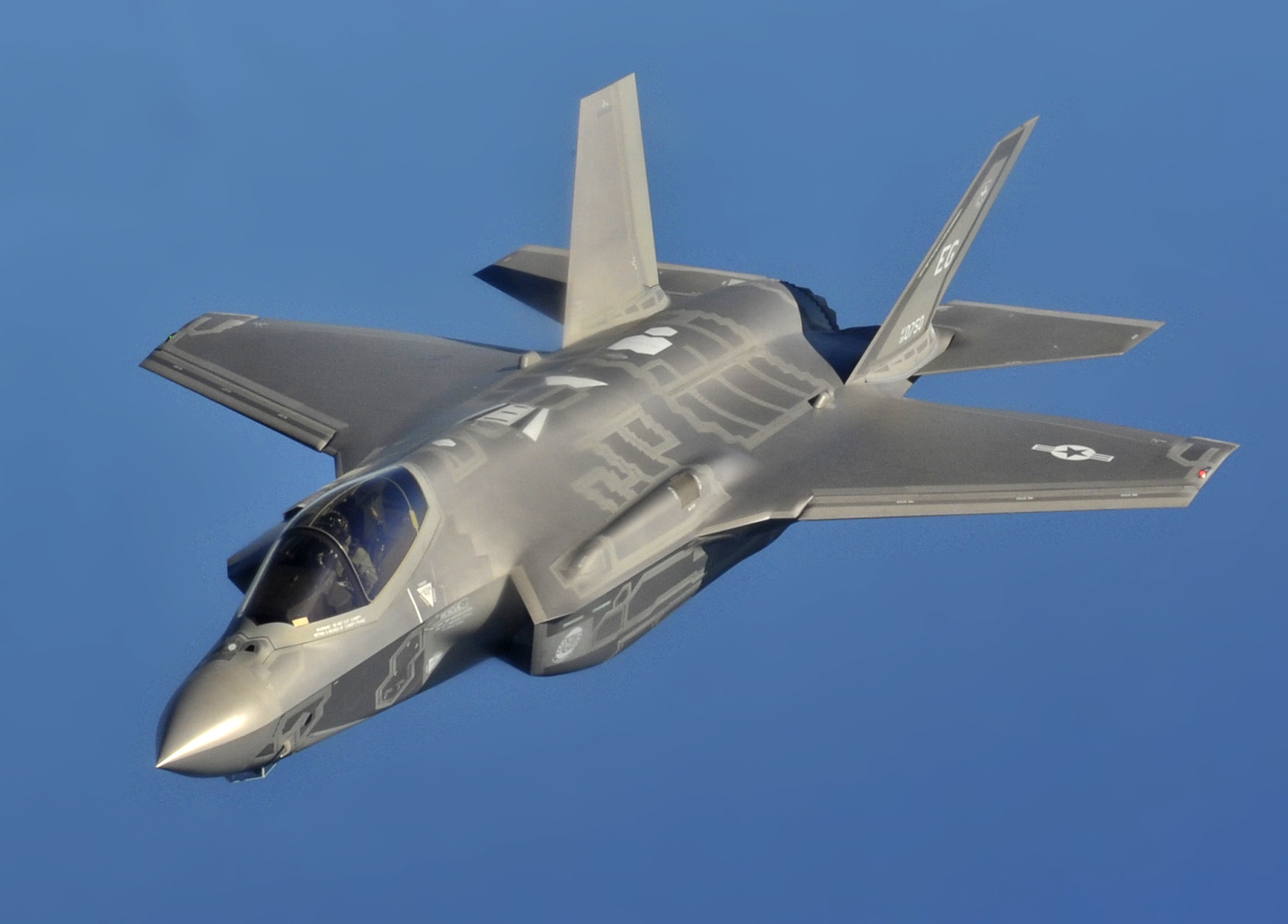
The F-35 Lightning II program has achieved many milestones: 1,000+ deliveries, 19 operating nations, and combat deployments across multiple theaters. But one challenge continues to plague the world’s most expensive weapons system: the TR-3/Block 4 software modernization is over $6 billion above budget and five years behind schedule.
What TR-3/Block 4 Means
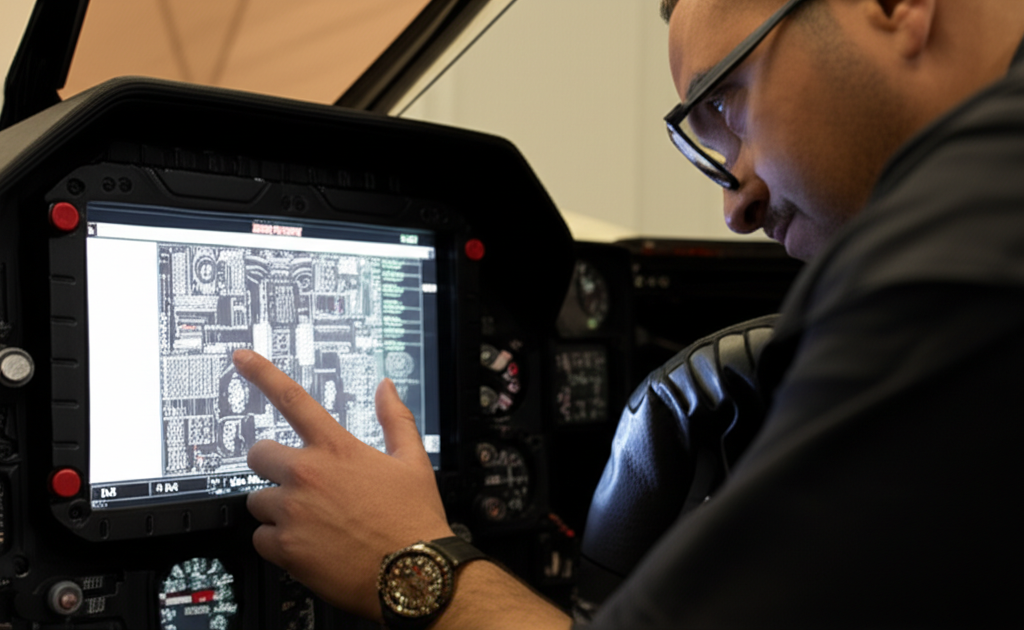
TR-3 (Technology Refresh 3) is the hardware and software package that enables Block 4 upgrades. Think of it as the computing backbone that unlocks new capabilities for the F-35:
- New weapons integration: Ability to employ emerging munitions
- Enhanced electronic warfare: Improved jamming and cyber capabilities
- Better communications: Enhanced networking with other platforms
- Updated sensors: Software improvements for radar and electro-optical systems
Without TR-3, newer F-35s can’t use capabilities that were promised when nations ordered the aircraft.
The Delay Problem
TR-3 was originally supposed to be ready years ago. Instead, new F-35s went directly into storage awaiting software that wasn’t ready. Lockheed Martin kept building aircraft but couldn’t deliver them because the systems weren’t stable.
In 2024, the Joint Program Office partially lifted the delivery hold, allowing a truncated version of TR-3 software to be installed. But this compromise meant jets entered service without full Block 4 capabilities.
Why Software Is So Hard
The F-35 is often described as a flying computer. Its systems generate and process more data than any previous fighter. Software code runs into millions of lines across multiple subsystems.
Challenges include:
Integration complexity: Every new capability must work with existing systems without breaking anything.
Testing requirements: Military software requires extensive validation before deployment.
Security considerations: Classified systems face unique development constraints.
Multi-national requirements: Different F-35 operators have different specifications.
Impact on Allies
Nations like Finland, receiving their first F-35s in 2026, must manage expectations about when full capabilities will be available. Training and operational planning may need adjustment if TR-3/Block 4 features aren’t ready.
For countries that justified F-35 procurement based on specific capabilities, delays create political challenges as well as operational ones.
The Bottom Line
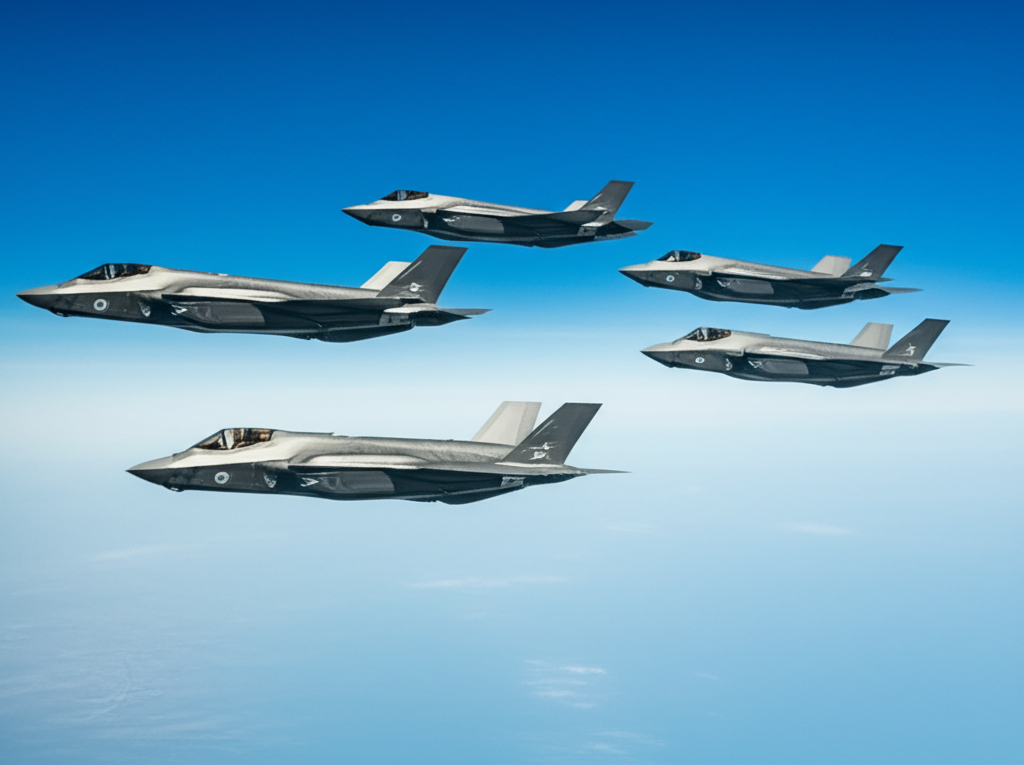
The F-35 remains the world’s most capable fighter aircraft. But the TR-3/Block 4 delays demonstrate that even with unlimited budgets, software development is unpredictable.
The program will eventually deliver promised capabilities. The question is when – and at what additional cost. Six billion dollars over budget and five years late is a lot to explain to taxpayers, even for a program as important as the F-35.
Stay in the loop
Get the latest aircraft insider updates delivered to your inbox.