F-35s Deploy to Puerto Rico as Caribbean Tensions Rise
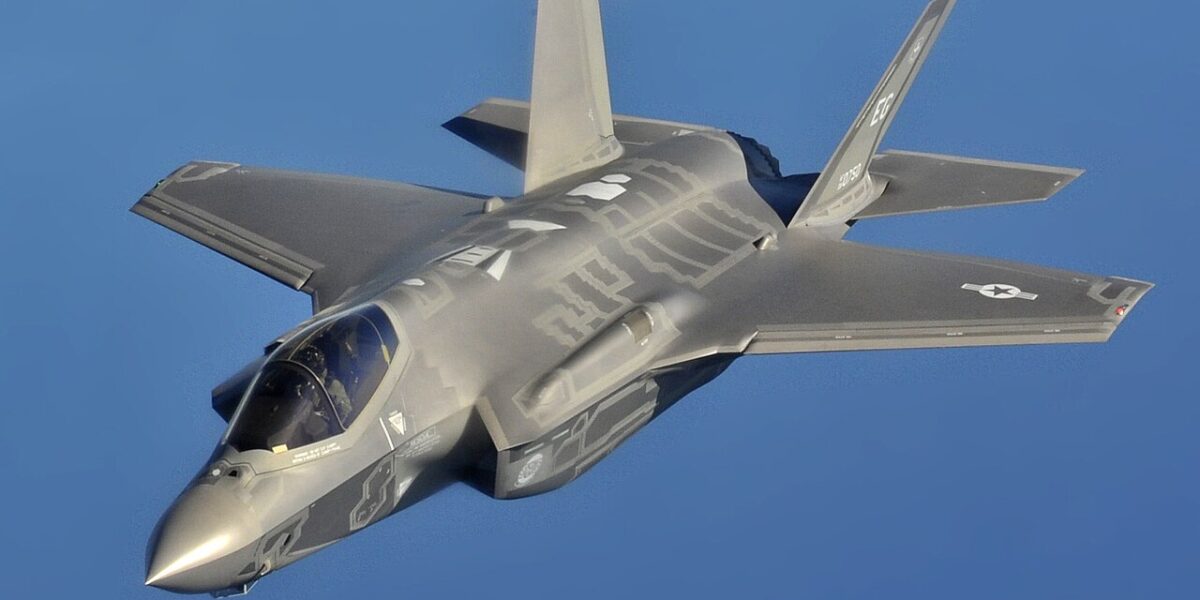
The Vermont Air National Guard’s 158th Fighter Wing just deployed F-35A Lightning II stealth fighters to the former Roosevelt Roads Naval Station in Puerto Rico. The mission – Operation Southern Spear – represents America’s response to rising tensions with Venezuelan dictator Nicolas Maduro, and watching fifth-generation fighters position within striking distance of Venezuela’s coast makes the strategic implications pretty clear.
This deployment marks one of the most significant uses of stealth aircraft in the Caribbean region. As someone who follows military aviation closely, I find the timing and positioning noteworthy.
Why F-35s in the Caribbean Now
The timing of Operation Southern Spear isn’t coincidental. Venezuela under Maduro has become increasingly aggressive in challenging U.S. interests – from disputed elections to territorial claims against neighboring Guyana. The F-35 deployment sends an unmistakable message about American capabilities and resolve.
Unlike older fighter jets, the F-35’s stealth characteristics make it nearly invisible to Venezuelan air defense systems. Its advanced sensors and networking capabilities allow it to gather intelligence while remaining undetected. Probably should have led with this, honestly: simply putting F-35s in the theater changes the calculus for any adversary considering hostile action.
Not Operating Alone
The F-35 deployment is just one element of a broader military presence. The USS Gerald R. Ford – the world’s largest and most advanced aircraft carrier – is also operating in regional waters. The Ford carries four squadrons of F/A-18 Super Hornets, a squadron of EA-18G Growler electronic warfare aircraft, and E-2D Advanced Hawkeye surveillance planes.
Combined with the land-based F-35s in Puerto Rico, the U.S. has assembled a formidable air combat capability that would overwhelm any Caribbean adversary within hours of engagement.
The Green Mountain Boys’ Mission
The 158th Fighter Wing, known as the “Green Mountain Boys,” became the first Air National Guard unit to operate the F-35A when they received their first jets in 2019. Based at Burlington Air Guard Station in Vermont, the unit has rapidly developed expertise in the complex fifth-generation platform.
Deploying to Puerto Rico gives the Green Mountain Boys valuable experience operating in a tropical environment, managing long-distance logistics, and integrating with other U.S. forces in joint operations. These skills would prove essential in any actual conflict scenario.
What the F-35 Brings
The F-35A isn’t just another fighter jet – it’s an airborne intelligence, surveillance, and command center wrapped in a stealth package:
- Low Observable Design: Radar cross-section smaller than a golf ball, making detection extremely difficult
- Advanced Sensors: AN/APG-81 AESA radar can track multiple targets at extreme ranges
- Sensor Fusion: Multiple sensors combine data into a single tactical picture
- Network Warfare: Can share targeting data with other aircraft and surface units
- Electronic Warfare: Integrated systems can jam enemy radar and communications
The Venezuelan Perspective
Venezuela’s air force operates a mix of Russian-made Su-30 fighters and aging F-16s. While capable aircraft, neither can match the F-35’s stealth and sensor advantages. Venezuela’s air defense network, based on S-300 systems, would struggle to track F-35s operating at combat altitudes.
The military imbalance is overwhelming, which is precisely the point. Deterrence works best when the adversary has no illusions about the outcome of conflict.
What Happens Next
Operation Southern Spear is expected to continue for several weeks, with the F-35s conducting training missions and maintaining a visible presence in the region. The deployment demonstrates the U.S. ability to rapidly project fifth-generation airpower to any theater on short notice.
For Venezuela, the message is clear: America’s most advanced fighters are watching. For the U.S., the deployment validates the F-35’s ability to operate from austere locations far from home base.
That’s what makes this deployment strategically significant – it’s a message wrapped in stealth coatings, sent to an adversary that has been testing American patience. The Green Mountain Boys from Vermont are a long way from home, but that’s precisely the point.



Leave a Reply