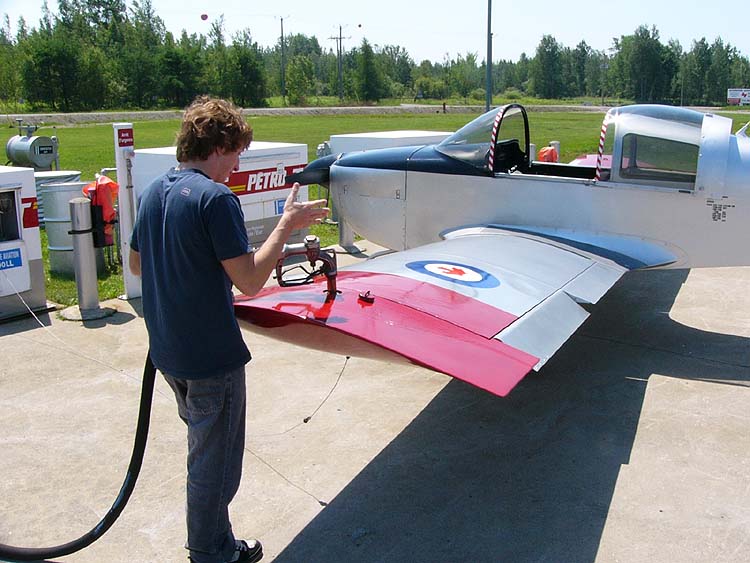
Finding Avgas Near Me: A Practical Fueling Guide
As someone who learned early in my flying career that fuel planning isn’t just about range and reserves, I learned everything there is to know about locating avgas before you need it. Today, I will share it all with you.
Knowing where to get avgas when flying unfamiliar territory is a genuine skill, not an afterthought. I’ve been caught in situations where the airport I expected to have fuel didn’t, or had it at prices that made me wish I’d planned a different route. Here’s how to not be that pilot.
The Importance of Avgas
Avgas powers piston-engine aircraft used for training, personal transportation, and agricultural applications. Unlike automotive gasoline, avgas contains specific additives that prevent engine knocking and ensure reliable performance at altitude. Probably should have led with this, honestly, but using the wrong fuel in a certified piston aircraft engine isn’t just inefficient — it can be catastrophic. This isn’t an area where improvising is an option.
Common Types of Avgas
Two types are widely available:
- 100LL (Low Lead): Contains low amounts of tetraethyl lead and is the most widely used avgas. The blue color identifies it at a glance — different from the red of 100 octane and the green of 80 octane in historical use.
- UL94 (Unleaded 94): A lead-free alternative suitable for lower-performance engines on aircraft specifically approved for its use. Availability is still limited but growing.
Locating Avgas Suppliers
That’s what makes fuel planning endearing to safety-conscious pilots: multiple resources exist specifically to help you find avgas wherever you’re flying. The challenge isn’t usually a shortage of information — it’s knowing which resources to check.
Online Fuel Provider Directories
Several websites maintain updated directories of avgas suppliers:
- AirNav: Detailed airport information including fuel availability and current prices. One of the most comprehensive and frequently updated.
- GlobalAir: Comprehensive FBO and fuel price listings across the country.
- 100LL.com: Dedicated avgas locations and pricing, updated regularly.
Aviation Apps
Mobile apps designed for pilots make fuel planning part of the flight planning process rather than a separate step:
- ForeFlight: Airport information including fuel services and current prices, integrated with weather and navigation data.
- Garmin Pilot: Fuel availability and location data integrated directly into the navigation workflow.
- FltPlan: A comprehensive flight planning tool that lists avgas sources along your route during the planning stage.
Local Airports and Fixed Base Operators
When apps don’t give you confidence, calling ahead is the right move:
- FBOs: Most provide avgas alongside maintenance, hangaring, and pilot amenities. Call and confirm fuel availability before you depart, not while you’re en route.
- Airport websites: Many list available services including fuel types and hours of operation.
- Sectional charts and A/FD: Identify airports with fuel services — though information can be dated, it’s a starting point.
Pilot Communities and Forums
Other pilots are often the most current source of ground truth on fuel availability, especially at smaller airports:
- Pilots of America: Active forum community that discusses fuel availability and FBO experiences regularly.
- AOPA Community: Aircraft Owners and Pilots Association forum with extensive coverage of fuel-related topics.
Tips for Purchasing Avgas
When buying avgas:
- Price: Prices vary significantly between airports — sometimes dramatically. Check multiple sources during planning rather than after landing.
- Quality: Always sump the fuel after filling to check for contamination or water. This is not optional regardless of how busy you are.
- Volume discounts: Some suppliers offer breaks for larger purchases, particularly if you’re filling from empty.
- Payment methods: Confirm accepted payment, especially if using aviation fuel cards. Not every self-serve pump takes every card.
Storing Avgas Safely
If you’re storing avgas for personal use:
- Containers: Use approved containers only to avoid contamination and degradation.
- Environment: Store in a cool, dry location away from direct sunlight and heat sources.
- Shelf life: Avgas typically retains quality for up to one year when stored properly under these conditions.
Environmental Considerations
Leaded avgas contributes to lead emissions in the environment — a real concern that the industry is actively working to address. UL94 reduces this impact for aircraft certified to use it. The FAA is progressing toward approval of a drop-in unleaded replacement for 100LL, which would benefit the entire general aviation fleet without requiring individual aircraft modifications.
Future of Avgas
Research into unleaded avgas replacements has advanced significantly. The FAA’s PAFI and EAGLE programs are specifically aimed at qualifying an unleaded fuel that meets the performance needs of high-compression piston engines. This transition will reduce environmental impact while maintaining the safety and performance characteristics that current avgas provides. Staying informed about approvals matters for aircraft owners planning long-term.
Related Articles
Continue exploring:
- FAA Innovations Elevate Future of Air Travel
- AirHelp Reviews: Real Flights, Real Compensation Stories
- Boeing 787: Revolutionizing Modern Air Travel Experience




Stay in the loop
Get the latest wildlife research and conservation news delivered to your inbox.