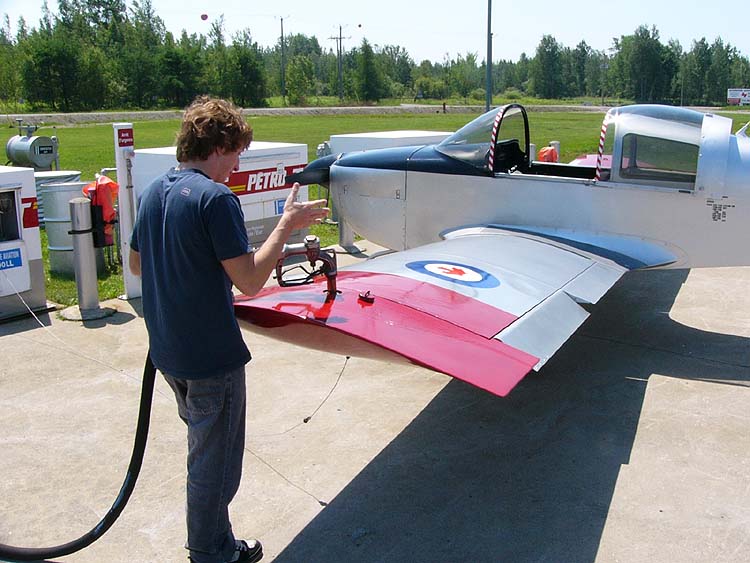
Finding Avgas Near Me
As someone who’s flown into more unfamiliar airports than I can count, I’ve learned that fuel planning is about more than just calculations. Knowing where to find avgas before you need it can mean the difference between a smooth trip and an unpleasant surprise. Avgas, or aviation gasoline, is a specialized fuel for piston-engine aircraft, and reliable sources aren’t everywhere. Here’s how I find what I need.

The Importance of Avgas
Avgas powers small aircraft used for commuting, training, and agricultural applications. Unlike automotive gasoline, avgas contains specific additives that prevent engine knocking and ensure optimal performance at altitude. Probably should have led with this, honestly, but the differences matter for aircraft longevity and safety.
Common Types of Avgas
Two types of avgas dominate the market:
- 100LL (Low Lead): Contains low amounts of tetraethyl lead and is the most widely used avgas. The blue dye makes it identifiable at a glance.
- UL94 (Unleaded 94): Suitable for lower-performance engines and provides a lead-free alternative for approved aircraft.
Locating Avgas Suppliers
That’s what makes good preflight planning endearing to experienced pilots: multiple resources exist to help find avgas wherever you’re headed. Aviation fuel provider websites, mobile apps, and local airport FBOs all provide information.
Online Fuel Provider Directories
Several websites maintain updated directories:
- AirNav: Detailed airport information including fuel availability and pricing.
- GlobalAir: Comprehensive FBO listings and fuel prices.
- 100LL.com: Dedicated to avgas locations and current prices.
Aviation Apps
Mobile apps designed for pilots streamline fuel planning:
- ForeFlight: Airport information including fuel services and prices integrated with flight planning.
- Garmin Pilot: Fuel availability and location data alongside navigation features.
- FltPlan: Flight planning tool that lists avgas sources along planned routes.
Local Airports and Fixed Base Operators
Contact airports directly, especially those with active General Aviation communities:
- FBOs: Most provide avgas along with other services like maintenance and hangaring.
- Airport Websites: Many list available services including fuel types.
- Sectional Charts: Use charts and publications to identify airports with fueling services along your route.
Pilot Communities and Forums
Fellow pilots provide valuable real-world information:
- Pilots of America: Forum discussions on fuel availability and FBO experiences.
- AvCanada: Canadian pilots sharing fuel source information.
- AOPA Community: Discussions on various aviation topics including fuel.
Tips for Purchasing Avgas
Consider these factors when buying:
- Price: Prices vary significantly between airports. Research before committing.
- Quality: Ensure avgas meets specifications. Always sump fuel after filling to check for contamination.
- Volume Discounts: Some suppliers offer bulk pricing.
- Payment Methods: Confirm accepted methods, particularly for aviation fuel cards.
Storing Avgas Safely
Proper storage maintains quality and safety:
- Containers: Use approved containers to prevent contamination.
- Environment: Store in cool, dry locations away from sunlight.
- Shelf Life: Avgas typically remains usable for up to one year when properly stored.
Environmental Considerations
Leaded avgas contributes to environmental pollution. Alternatives like UL94 reduce impact where aircraft are certified for unleaded fuel. The industry continues developing sustainable options with lower emissions.
Regulations and Compliance
Follow all regulatory requirements for avgas storage and usage:
- FAA Regulations: Federal Aviation Administration guidelines govern aircraft fueling.
- EPA Standards: Environmental Protection Agency regulations cover fuel storage.
- Local Jurisdictions: Additional local regulations may apply.
Future of Avgas
Aviation fuel options continue evolving. Research into unleaded avgas that meets piston-engine performance requirements is ongoing. This transition aims to reduce environmental impact while maintaining the safety and efficiency pilots depend on.
Planning Ahead
Finding avgas requires using multiple resources: online directories, navigation apps, and local airport information. Consider price, quality, and regulations when purchasing. Good fuel planning is part of being a thorough pilot, and it’s a habit worth developing early.