Delta Emergency Landing: What You Need to Know
I was on a flight that diverted once – not Delta, but the experience stuck with me. The captain’s voice came over the speaker, calm but serious, explaining we’d be landing in an hour at an airport that wasn’t our destination. Passengers looked around nervously. Flight attendants moved with purpose. Everything worked exactly as it should. Probably should have led with this, honestly: emergency landings happen, they’re rarely catastrophic, and understanding the process makes them less frightening.
Common Causes of Emergency Landings
Most diversions aren’t Hollywood-style disasters. The reality is more mundane:
- Technical malfunctions: Warning lights, sensor issues, systems that need immediate attention. Often precautionary rather than catastrophic.
- Passenger health emergencies: Heart attacks, severe allergic reactions, situations requiring ground-based medical care faster than continuing to destination allows.
- External factors: Weather closing the destination airport, security concerns, or other circumstances beyond the crew’s control.
Protocol for Emergency Landing
That’s what makes aviation remarkably safe – everything is procedural:
- Pilots inform air traffic control and request priority handling
- Passengers receive honest information about what’s happening
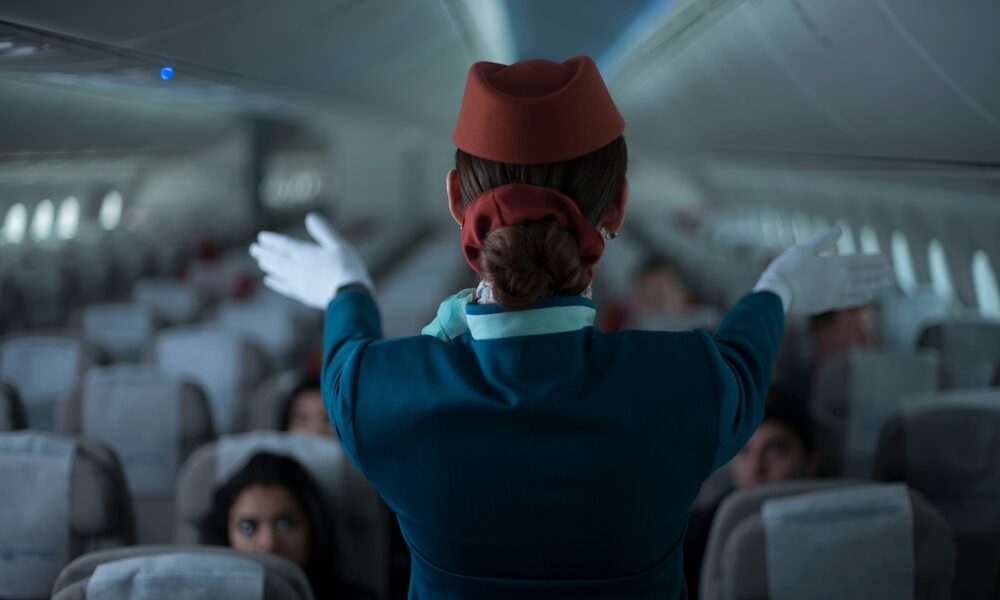
- Cabin crew prepares the aircraft interior and passengers
- Ground crews at the diversion airport coordinate emergency response
- Medical personnel and fire crews stand ready, just in case
Delta crews train extensively for these scenarios. The calm you observe during emergencies isn’t natural composure – it’s thousands of hours of practice.
Passenger Role During Emergency Landing
Your job is straightforward:
- Stay calm – easier said than done, but panic helps no one
- Secure your seatbelt tightly
- Follow crew instructions, including brace positions if directed
- Stow electronic devices unless told otherwise
- Help others if you can do so safely
The people trained for emergencies are the crew. Your role is compliance and cooperation.
Post-Landing Procedures
Once safely on the ground:
- Medical teams board if there are injured passengers
- Aircraft inspection determines whether the flight can continue
- Passengers wait (sometimes hours) while alternatives are arranged
- Airline representatives assist with rebooking, hotels, and information
Noteworthy Delta Emergency Landing Incidents
Context helps. In 2018, a Delta flight from Atlanta to London diverted to Shannon Airport due to an engine issue. No injuries. The crew followed procedures, landed safely, and passengers continued their journeys on another aircraft.
In 2020, a suspected cabin pressure issue prompted a Denver landing on a New York to Los Angeles flight. Again, crew training and quick decisions meant everyone walked away unharmed.
These incidents demonstrate the system working as designed – problems detected, decisions made, passengers protected.
Delta’s Commitment to Safety
Airlines invest heavily in safety because lives depend on it:
- Continuous training updates for flight crews
- Massive investment in aircraft maintenance
- Collaboration with FAA and international regulators
- Technology upgrades that detect problems before they escalate
Passenger Resources and Support
If you’re affected by a diversion or emergency landing:
- Dedicated hotlines for immediate assistance
- Online resources for understanding next steps
- Customer service representatives handling rebooking and compensation
Staying Informed
Simple preparation matters:
- Review the safety card – it takes two minutes
- Pay attention to the safety briefing, even if you’ve heard it before
- Know where the exits are and how the safety equipment works
Emergency landings are rare, usually uneventful, and almost always end safely. Understanding the process transforms anxiety into awareness.


Stay in the loop
Get the latest aircraft insider updates delivered to your inbox.