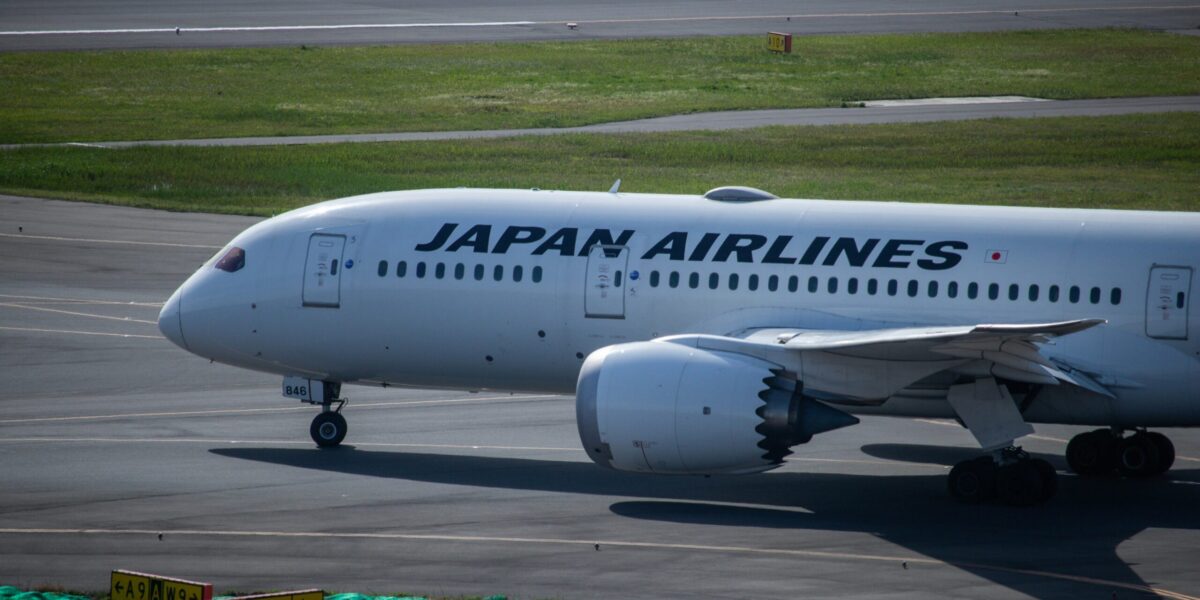
JAL Business Class: JFK to Tokyo
I remember the first time I flew JAL business class to Tokyo from JFK. After years of cramped economy seats and layovers that seemed designed to maximize discomfort, settling into that lie-flat seat felt like a minor miracle. Japan Airlines has earned its reputation for service, and on this route, they deliver an experience that makes the 14-hour flight almost enjoyable. Almost.
Airport Experience
At JFK, business class passengers get priority check-in, which sounds trivial until you’ve watched the economy line snake through those ropes for 45 minutes. You’re through in minutes. After that, you have access to the Admirals Club lounge (shared with American Airlines, who partners with JAL). It’s a decent space with snacks, drinks, Wi-Fi, and reasonably comfortable seating. Not the most luxurious lounge in the world, but a far cry from hunting for an outlet near a gate.
Boarding Process
Priority boarding means you’re among the first to board, which lets you settle in before the cabin gets crowded. There’s something deeply satisfying about being seated with a drink in hand while the main cabin files past. Probably should have led with this, honestly, but that early boarding time is when you really start to feel the premium you paid for.
Cabin and Seating
JAL’s Boeing 777-300ER business class uses a 2-3-2 configuration on this route. Each seat converts to a fully flat bed, and when I say flat, I mean actually flat. No weird angles, no propping yourself up with pillows. The seats are wide, the pitch is generous, and privacy partitions let you pretend you’re not in a metal tube with 200 other people.
The amenity kit includes the essentials: toothbrush, earplugs, eye mask, and some skincare products. Noise-cancelling headphones are provided, along with plush blankets that don’t feel like they came from a hospital surplus store. That’s what makes JAL business class endearing to us long-haul travelers: the attention to details that other airlines treat as afterthoughts.
Entertainment System
JAL’s MAGIC entertainment system offers a solid selection of movies, TV shows, music, and games. The screen is large enough to actually watch comfortably, and the interface is intuitive. The noise-cancelling headphones make a real difference for audio quality. I’ve worked my way through entire film franchises on these flights, which tells you something about both the selection and the flight duration.
Dining Experience
This is where JAL really shines. The food is legitimately good, not just “good for airplane food.” You can choose between Japanese and Western menus, and both are prepared with care. The Japanese options often include sushi, sashimi, and seasonal specialties that you’d be happy to eat on the ground. Western options might feature steak or seafood, presented elegantly.
The a la carte dining option is a game-changer. Instead of being woken up for a meal on the airline’s schedule, you can eat when you want. Hungry right after takeoff? Great. Prefer to sleep and eat before landing? That works too. The beverage menu includes quality wines, sake, spirits, and non-alcoholic options that go beyond the usual cola and orange juice.
Onboard Service
JAL’s cabin crew sets the standard for service. Polite, attentive, professional without being stiff. They anticipate needs before you realize you have them. The crew members are fluent in English and Japanese, and they manage to be helpful without being intrusive. It’s a balance that many airlines struggle to achieve.
Sleep Comfort
For a 14-hour flight, sleep is everything. The lie-flat beds actually work: I’ve gotten six hours of real sleep on this route, which is remarkable. The bedding is soft, the pillow supportive, and the cabin lighting dims appropriately during sleeping hours. The privacy partitions help you feel secluded enough to actually relax. As someone who usually struggles to sleep on planes, this is no small achievement.
Arrival in Tokyo
Business class passengers deplane first, which gets you through immigration before the inevitable queue forms. Your luggage appears early on the carousel thanks to priority handling. At Narita or Haneda, you’re through the airport and into Tokyo while economy passengers are still waiting for their bags. The time savings at both ends of the flight add up.
Additional Perks
- Priority security lanes at JFK (worth the price alone during peak hours)
- Lounge access in Tokyo for connecting flights
- Wi-Fi available for purchase, though it’s not the fastest
- Increased baggage allowance for those of us who overpack
Frequent Flyer Benefits
Flying JAL business earns miles with their Mileage Bank program. Since JAL is part of the oneworld alliance, you can credit to partner programs like American AAdvantage or British Airways Avios. The miles earn rate is generous, and elite status benefits compound over time. If you’re flying this route regularly, building up status makes sense.
Environmental Efforts
JAL has made sustainability commitments around carbon reduction and eliminating single-use plastics. They’re using more efficient aircraft (the 787 Dreamliner on some routes) and working on sustainable aviation fuel initiatives. Whether these efforts are sufficient is debatable, but they’re making them, which is more than some competitors.
Booking JAL business class from JFK to Tokyo delivers one of the better long-haul experiences available. The combination of attentive service, quality food, and actual sleeping conditions makes the flight feel less like an endurance test and more like the start of your trip. For transpacific travel, it’s hard to do much better.
Related Articles
Continue exploring:
- Soaring High: Navigating the Path to Becoming a Pilot
- Japan Airlines Premium Economy: Comfort in Flight
- Qatar Airways Elevates Travel Experience in South Africa



Stay in the loop
Get the latest wildlife research and conservation news delivered to your inbox.