
South African Airways Flight 295: The Helderberg Disaster
As someone who has spent years studying aviation disasters that reshaped the industry, I learned that the ones worth understanding aren’t just the crashes themselves — they’re the chain of decisions, design choices, and regulatory gaps that allowed them to happen. South African Airways Flight 295, the Helderberg, is one of those cases. It killed 159 people on November 28, 1987, and the questions it raised about cargo operations and fire suppression changed how commercial aviation works. Today, I’ll share everything I know about it.

Probably should have led with this, honestly: the Helderberg disaster remains officially unsolved in terms of the exact ignition source. Investigators concluded a fire started in the main deck cargo hold. What started it — that part never got definitively answered, and that ambiguity is part of why this crash continues to generate research and debate.
The Aircraft
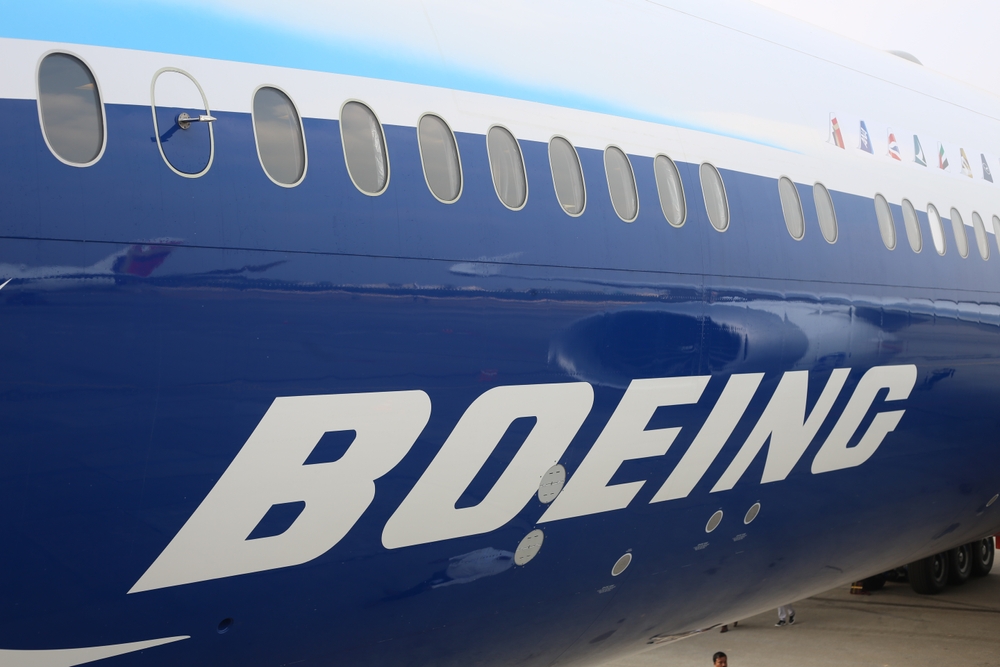
The aircraft was a Boeing 747 Combi — a configuration that splits the main deck between passengers in the forward section and cargo in the rear. Airlines loved this setup for route economics: you could haul freight and people on the same flight, which made thin routes profitable. The tradeoff, which became tragically obvious after Flight 295, was that cargo sat unusually close to passengers compared to a standard freighter configuration.
That’s what makes the Combi configuration endearing to airline accountants and troubling to safety engineers — the efficiency that justified it also created proximity problems that dedicated freighters don’t have.
What Happened
Flight 295 departed Taipei bound for Johannesburg. The route was long — over 14 hours — and everything proceeded normally until 15:03 UTC when the crew reported smoke in the cabin. Four minutes later, a fire warning. Communications became erratic and then stopped. The aircraft disappeared from Mauritius radar. It had crashed into the Indian Ocean approximately 150 miles northeast of Mauritius, killing all 159 people aboard.
The main wreckage came to rest more than 4,400 meters below the surface. That depth made recovery extraordinarily difficult and left crucial evidence permanently inaccessible.
The Investigation
South Africa’s Civil Aviation Authority led an investigation that stretched over years. The context matters here: 1987 South Africa was still under apartheid, which created political complications with international cooperation. Investigators were working with limited wreckage, significant depth challenges, and a case that attracted conspiracy theories about what the cargo actually contained.
Allegations that the aircraft was carrying undeclared hazardous materials — including materials potentially related to South Africa’s then-secret weapons programs — circulated for years. None were definitively proven. What investigators did establish was that a fire started in the main deck cargo hold and spread faster than the crew could manage it.
Safety Reforms That Followed
The Helderberg disaster prompted meaningful regulatory changes that continue affecting aviation today. Enhanced cargo documentation requirements made it harder to ship undeclared hazardous materials without detection. Fire detection and suppression requirements for cargo holds were strengthened. Oversight of what actually goes into aircraft cargo bays tightened significantly.
These reforms are the lasting legacy of 159 deaths. Every passenger who has flown on a commercial aircraft since 1987 has benefited from them, whether they know it or not. That’s what makes studying disasters like the Helderberg worth doing — the safety improvements aren’t abstract. They’re specific rules that exist because specific things went wrong.
Memorials
Memorials stand in Kempton Park, South Africa, and near the crash site in Mauritius. They honor the people who died and serve as a reminder that aviation safety improvements are paid for in human cost before the industry recognizes the gap that needed closing.
Legacy in Aviation Education
Flight 295 remains a case study in aviation safety courses. It appears in discussions of cargo fire suppression, hazardous materials oversight, and the challenges of investigating crashes in politically complicated environments. The unresolved questions about the exact ignition source have actually made it more useful pedagogically — it illustrates that effective safety reform doesn’t always require perfect answers. You can improve systems based on what you know went wrong even when the complete picture remains unclear.
I’m apparently someone who finds unresolved aviation disasters more instructive than the ones with clean explanations, and the Helderberg works for me in that regard. The uncertainty around the cargo is a lesson in itself about what happens when documentation requirements are insufficient and oversight has gaps.
Related Articles
Continue exploring:



Stay in the loop
Get the latest aircraft insider updates delivered to your inbox.