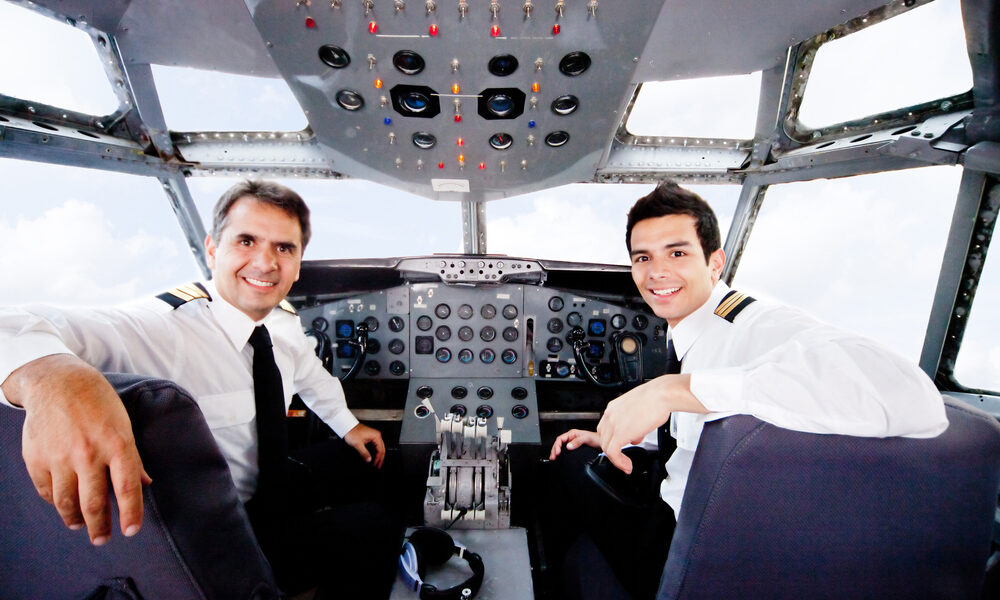
Southwest Pilot Hiring
Getting hired at Southwest Airlines has gotten complicated with all the advice and rumors flying around. As someone who has spent years talking to pilots who have actually gone through the process, I learned everything there is to know about Southwest hiring pipeline. Today, I am sharing it all with you.
Qualifications That Actually Matter
Before you even think about applying, you gotta meet the basics. Southwest wants candidates with a commercial pilot license and instrument rating – no exceptions there. You will need either 2,500 total flight hours or 1,500 hours in a turbine aircraft. Multi-engine rating? Absolutely required. And here is the kicker – at least 1,000 hours flown within the last five years. They do not want someone who has been desk-flying for half a decade.
I am apparently one of those people who obsesses over details, and the hour requirements work differently for everyone. Some guys I know barely squeaked by on turbine time while others had way more than needed. The point is – do not round up. They check everything.
The Application Itself
Submitting online through Southwest careers portal is straightforward enough. You will dump in all your flight experience, training records, and certifications. Triple-check everything – I have heard stories of applications getting tossed because someone fat-fingered their ATP number.
Your resume matters more than you would think. Highlight your flight hours clearly, list your certifications without being obnoxious about it, and mention any specialized training. CFI experience, type ratings, anything that shows you have put in the work. That is what makes a strong application stand out to recruiters – the details prove you are serious.
Assessments and the Interview Gauntlet
Once they like what they see, you will get invited to complete online assessments. Personality tests, cognitive evaluations, that sort of thing. These help Southwest figure out if you can handle pressure without losing your mind. Probably should have led with this, honestly – the assessment phase weeds out a lot of applicants before they ever talk to a human.
The interviews come in stages. First up is a phone call with a recruiter. They will ask about your experience and why you want Southwest specifically. Do not give some generic answer about loving aviation – everyone loves aviation. Be specific.
Pass that, and you are headed to Dallas for the in-person interview. It is split into technical and non-technical portions. Technical means questions on aerodynamics, nav procedures, emergency protocols. The non-technical side digs into teamwork, communication, leadership – behavioral stuff. Answer with actual examples from your flying career, not hypotheticals.
Simulator Evaluation
Nail the interviews and they will put you in the sim. This is where you show you can actually fly, not just talk about it. Expect emergencies, weather curveballs, complex routing. Keep your composure. They are watching how you handle things when everything goes sideways, not just when conditions are perfect.
Background Check and Medical
Pass the sim and you are into the background check phase. They will verify employment history, education, criminal record – the works. You will also need a first-class medical certificate from an AME. Vision, hearing, overall health all get scrutinized. Do not try to hide anything; they will find it.
Training Program
Get through all that and you are officially hired, but you are not done yet. New hires go through extensive training at Southwest Flight Training Center. Classroom stuff first – company policies, safety procedures, regulations. Then simulator training on Southwest aircraft types.
Finally comes line training, where you fly actual routes with a training captain watching everything you do. It is where book knowledge meets real-world operations. Complete this phase successfully and you are cleared to operate independently.
Ongoing Education
The training never really stops. Recurrent sessions keep skills sharp and you updated on new protocols. Proficiency checks happen periodically – Southwest and the FAA both want to make sure standards do not slip.
Career Progression
Southwest offers clear advancement paths. You can move from First Officer to Captain based on experience, performance, and seniority. The airline supports pilots pursuing leadership roles or instructor positions. It is structured but fair – experience counts for safety, after all.
What is the Work Environment Like?
The culture at Southwest is genuinely different. Teamwork is not just a buzzword there – pilots actually help each other out. You will fly a mix of short and medium-haul routes, which keeps things varied. The scheduling offers flexibility that most airlines cannot match.
Pay is competitive, benefits are solid, and the company actually seems to care about employee satisfaction. That is what makes Southwest endearing to pilots – the culture matches the marketing for once.
Union Representation
Southwest pilots are represented by SWAPA – the Southwest Airlines Pilots Association. They negotiate contracts, fight for fair conditions, and give pilots a voice. Being part of a strong union provides real job security.
Diversity Initiatives
Southwest actively works to bring in pilots from diverse backgrounds. Programs supporting minorities, women, and veterans are part of their hiring strategy. A diverse flight deck brings varied perspectives, which benefits everyone.
Looking Ahead
Aviation keeps evolving, and Southwest stays on top of it. Advanced avionics, updated safety protocols, new training methods – they adopt innovations as they prove themselves. Prospective pilots should stay informed about industry trends. Understanding where things are headed can give you an edge when you are sitting in that interview room.
Related Articles
Continue exploring:
- Discover the Charm of Colorado Springs Airport
- South African Airways Flight 295: The Unsolved Mystery
- Sky Giants: Exploring the Largest Commercial Airplanes



Stay in the loop
Get the latest aircraft insider updates delivered to your inbox.